


Commercial Display vs TV: Which Should Schools Choose?
When upgrading classroom technology or meeting spaces, one of the most common questions we hear is:
“Can we just use a TV instead of a commercial display?”
At first glance, the two can appear almost identical. Both are available in a range of sizes, offer excellent image quality and support 4K resolution.
The key difference lies in what they’re designed to do. Consumer TVs are built for home entertainment, while commercial displays are purpose-built for professional environments such as schools and businesses, where reliability, longer operating hours and easier management are essential.
For schools in particular, displays are often deployed across multiple classrooms and expected to remain in service for many years. Choosing the right display can help reduce maintenance, minimise classroom disruptions and deliver better long-term value.
Commercial Display vs TV: At a Glance
| Feature | Consumer TV | Commercial Display |
| Designed for | Home entertainment | Education and business environments |
| Typical operating time | Around 6–8 hours per day | Designed for extended daily operation (16/7 and 24/7 models available) |
| Cooling | Designed for occasional home use | Enhanced cooling for extended daily operation |
| Brightness | Optimised for home viewing | Higher-brightness models available for bright classrooms, reception areas and outdoor applications |
| Glare | Typically designed for home viewing | Many models include anti-glare finishes for improved visibility |
| Remote management | Limited | Commonly supported |
| Warranty | May not cover commercial use | Intended for business and education environments |
| Portrait installation | Not typically supported | Commonly supported |
| Outdoor-rated options | No | Available |
Note: Features vary by manufacturer and model. Before deciding between a consumer TV and a commercial display, talk to the team at D.I.B Audio Visual. We can help you choose a solution that’s appropriate for your space, budget and long-term requirements
Consumer TVs vs Commercial Displays: What’s the Difference?
While consumer TVs and commercial displays may look similar, they’re designed for very different environments.
A TV in a home might only be used for a few hours each day. In contrast, displays in classrooms, libraries, reception areas, meeting rooms and digital signage applications are often in operation throughout the school day and need to integrate with a wider AV system.
Commercial displays are engineered for these environments, offering features that help improve reliability, simplify management and support a wider range of educational and business applications. They’re also available in a variety of formats, including interactive classroom displays, digital signage, video walls and outdoor-rated displays.
Why Schools Choose Commercial Displays
Unlike displays in most homes, classroom and campus displays are often in use throughout the school day. They may also remain on after hours for parent information evenings, community events or school functions.
Many commercial displays are rated for 16/7 or even 24/7 operation. They also incorporate cooling systems designed to support extended daily use, helping maintain reliable performance over time.
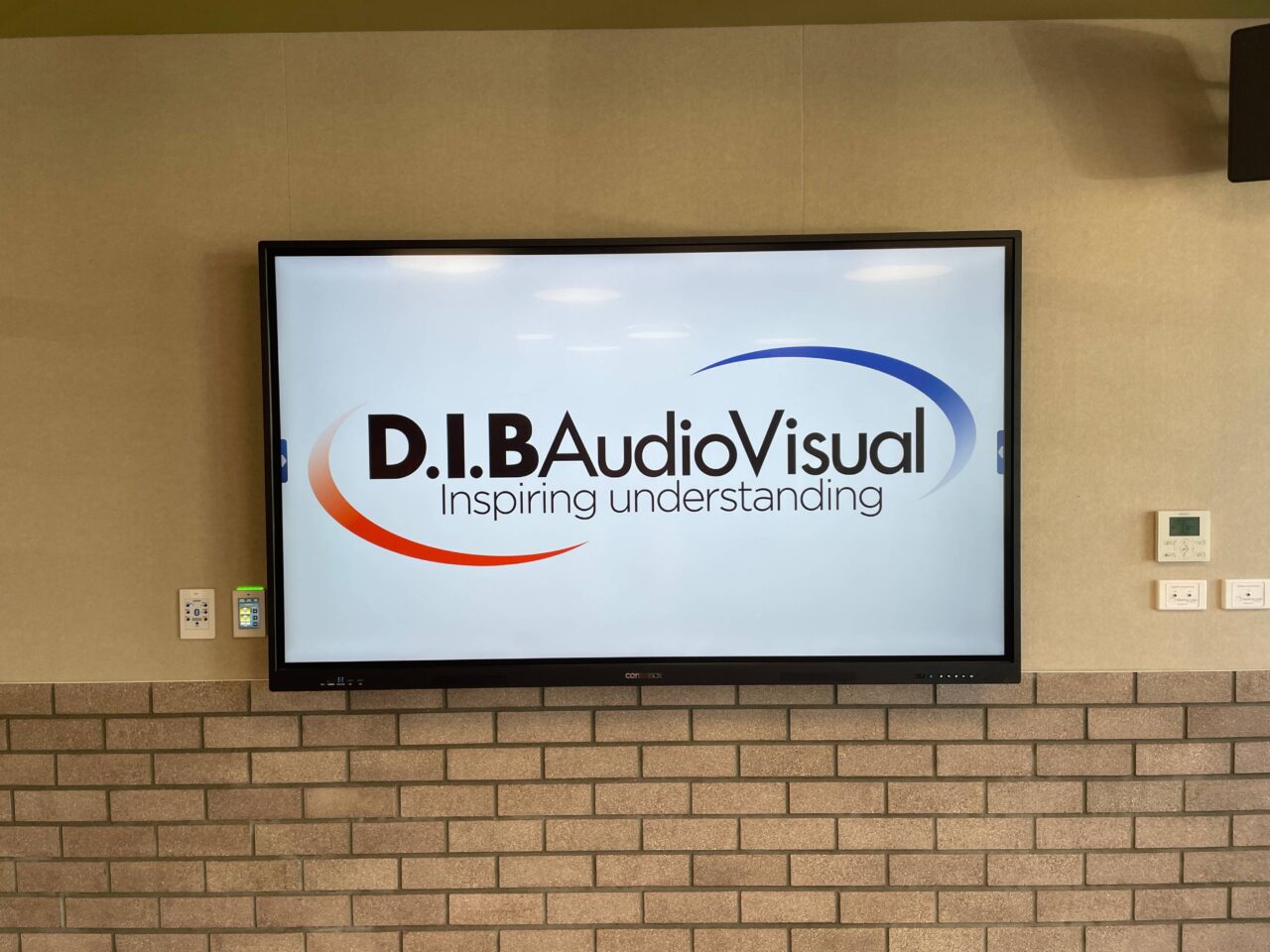
Many schools also standardise technology across classrooms or even entire campuses. Using the same commercial display platform creates a more consistent experience for teachers, who can move between classrooms without needing to learn different controls or input configurations. It also simplifies installation, support and future technology upgrades for IT teams.
For schools with dozens—or even hundreds—of displays across a campus, managing each one individually can quickly become time-consuming. Many commercial displays support remote management features that allow authorised staff to:
- Schedule displays to power on before the school day begins
- Automatically power displays off after school hours
- Monitor display status remotely
- Install firmware updates across multiple displays
- Troubleshoot issues without visiting every classroom
These capabilities can significantly reduce maintenance while helping ensure displays are ready when teachers need them.
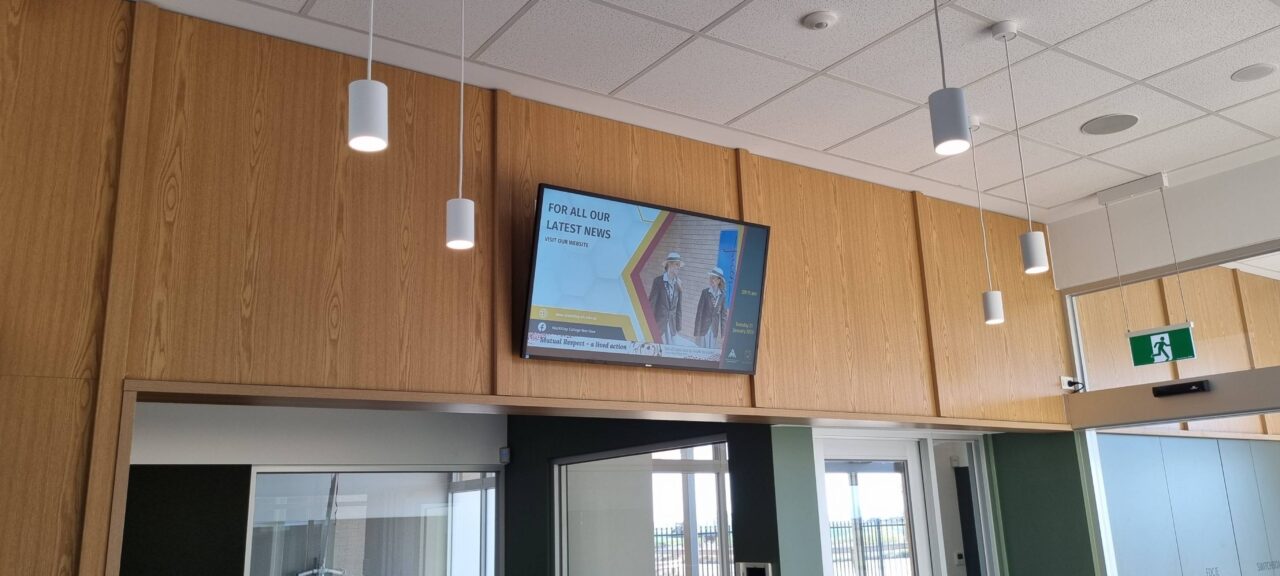
Easy to See in Bright Learning Spaces
Modern learning environments often include large windows, open learning areas and brightly lit spaces that can make displays harder to see.
While consumer TVs are designed primarily for home environments with controlled lighting, many commercial displays are available with higher brightness levels and anti-glare finishes to help keep content clear and readable throughout the day.
Commercial displays are also well suited to digital signage applications where static content such as timetables, campus maps and daily announcements may remain on screen for extended periods. Many models include features designed to help minimise image retention in these situations.
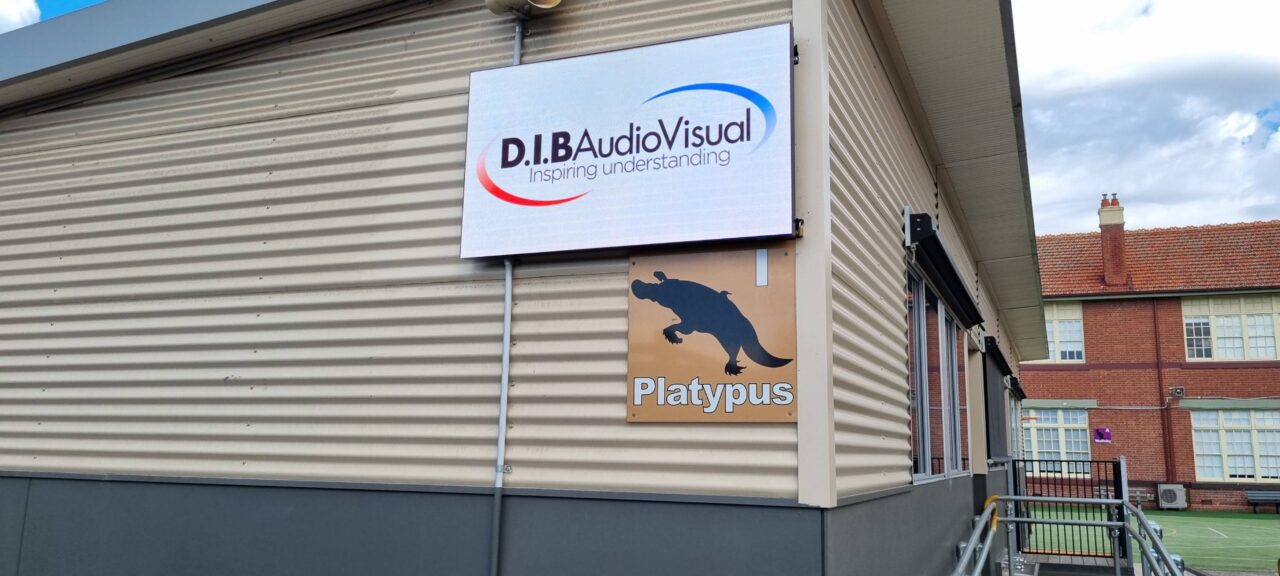
For specialised applications such as outdoor wayfinding and campus signage, outdoor-rated commercial displays are available with high-brightness panels and weather-resistant designs that allow them to remain visible even in direct sunlight.
Better Long-Term Value
School technology is often expected to remain in service well beyond a typical consumer electronics replacement cycle. Many schools plan AV upgrades as part of larger capital works projects or long-term technology strategies, making reliability an important consideration.
Although commercial displays generally have a higher upfront cost than consumer TVs, they’re designed with longevity, serviceability and professional use in mind. Over time, this can help reduce maintenance costs, minimise classroom disruptions and maximise the return on investment.
Warranty is another important consideration. Commercial displays typically include warranties intended for education and business environments, whereas some consumer TV warranties may not cover commercial use. Before installing a TV in a classroom or shared space, it’s worth checking whether the manufacturer’s warranty covers that type of application.
Depending on the application and expected lifespan, a commercial display can also provide a lower total cost of ownership by reducing maintenance, minimising downtime and extending replacement cycles.
When Is a Consumer TV Suitable?
Consumer TVs still have their place.
For low-use areas such as staff kitchens, breakout spaces or rooms where a display is only used occasionally, a consumer TV may be a practical and cost-effective option.
However, for classrooms, STEM rooms, libraries, learning commons, reception areas, meeting rooms and digital signage applications, commercial displays are generally the more appropriate long-term choice.
Final Thoughts
For schools, investing in commercial displays is about more than choosing a screen—it’s about selecting technology that’s designed for the way learning environments operate every day. From classrooms and learning commons to reception areas and outdoor signage, commercial displays provide the reliability, flexibility and management features needed to support teaching, communication and campus-wide information sharing.
This is why, for most classroom, meeting room and digital signage applications, D.I.B Audio Visual recommends commercial displays over consumer TVs.
Whether you’re upgrading a single classroom, fitting out a new building or standardising displays across an entire campus, investing in commercial displays can help create a more reliable, consistent and future-ready learning environment.
Need Help Choosing the Right Display?
Whether you’re planning a new school, upgrading existing classrooms or exploring digital signage, the team at D.I.B Audio Visual can help you choose the right commercial display solution for your needs.
With decades of experience designing, supplying and installing AV solutions for schools and businesses across Victoria, we can recommend a display that suits your space, budget and long-term requirements.
Contact D.I.B Audio Visual at info@dibaustralia.com.au or (03) 9457 4800 to discuss your project.