

Audio Visual Services Australia: Why Choose D.I.B Audio Visual
When an organisation invests in audio visual technology, the equipment is only part of the choice.
A projector, LED display, microphone or video conferencing system is the most visible part of an AV installation. The result also depends on how the system is designed, installed, integrated and supported over time.
For schools and workplaces, this matters. AV systems may need to support teaching, meetings, presentations, assemblies, performances, training and video conferencing.
Choosing the right AV partner can matter just as much as choosing the right equipment.
If you are comparing audio visual services in Australia, start with the room, not the spec sheet.
Established in 1999, D.I.B. Audio Visual has more than 27 years of experience designing, supplying, installing and servicing AV systems for schools, businesses and organisations across Victoria. Our work starts with how the space will be used and builds a practical plan around those needs.
What Makes a Good AV Partner?
There are many companies offering audio visual services in Australia, but an effective AV plan needs more than equipment.
A good AV partner should understand the space, the people using it and what the system needs to do.
Before recommending equipment, it is important to consider:
- The room’s purpose
- Room size, layout and acoustics
- Lighting and sight lines
- Existing equipment and infrastructure
- Connectivity requirements
- Accessibility
- Budget and project limits
- Future expansion
- Ongoing service and support
The aim is not to fit the newest or most complex technology. It is to build a system that does the job well and is easy for people to use.
At D.I.B., our AV design approach focuses on simplicity, clear objectives, less is more, and reliable performance.
1. AV Design Starts With the Space
Every room has different needs.
A classroom may need a simple display and presentation system. A meeting room may need video conferencing and room control. A library, outdoor learning area or shared space may need a different mix of technologies.
This means there is rarely one AV solution that works everywhere.
D.I.B. starts by understanding how each space will be used, then designs the technology around those needs.
MacKillop Catholic Regional College
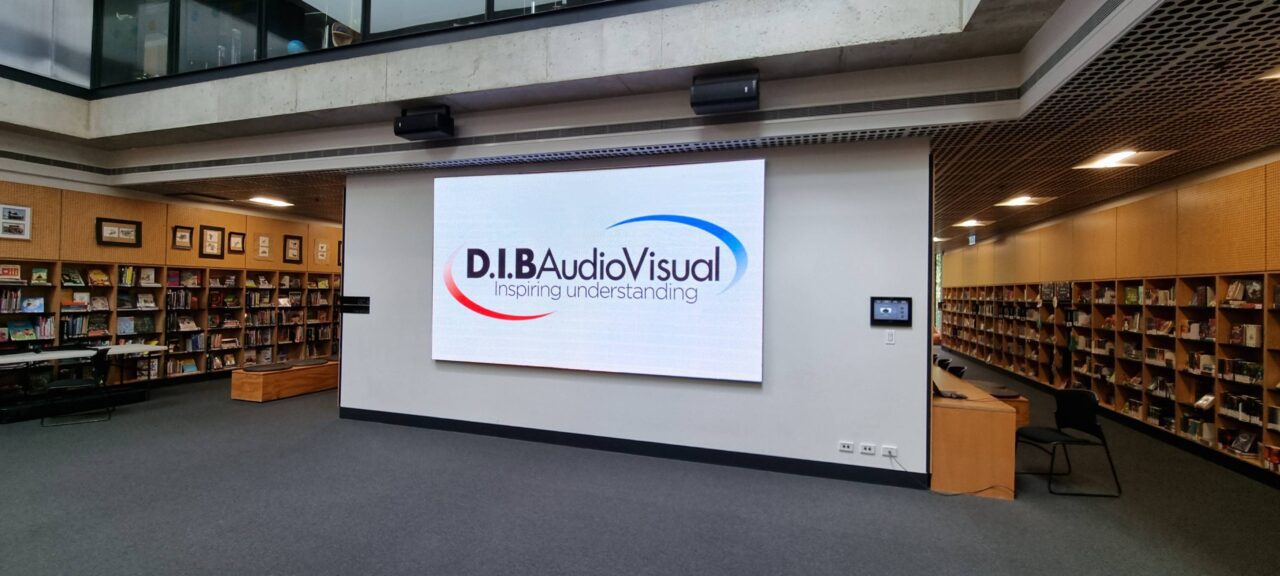
D.I.B. has worked with MacKillop Catholic Regional College since 2012, including the AV design and installation for its new St Mary’s Campus in Werribee.
By becoming involved during the early planning stages, D.I.B. could work with the architects and AV team to consider equipment locations, cable runs and rack locations as part of the wider building design.
The campus now includes consistent classroom AV, interactive displays, video conferencing, digital signage and room booking systems, with different solutions designed for different spaces.
Read the full MacKillop Catholic Regional College case study →
The project demonstrates why AV design is about more than selecting individual products. Understanding the space first can help create a system that is practical, consistent and easier for staff to use.
2. Simple AV Systems Are Easier to Use
An AV system can be technically capable and still be difficult to operate.
In schools and workplaces, systems are often used by people with different levels of technical experience. A teacher may need to start a presentation between classes. A staff member may need to begin a video call without calling IT.
Ease of use should therefore be part of the design from the start.
D.I.B. can incorporate touchscreens, simple menus, clear input labels and automated functions to make systems easier to operate.
Hoppers Crossing Secondary College
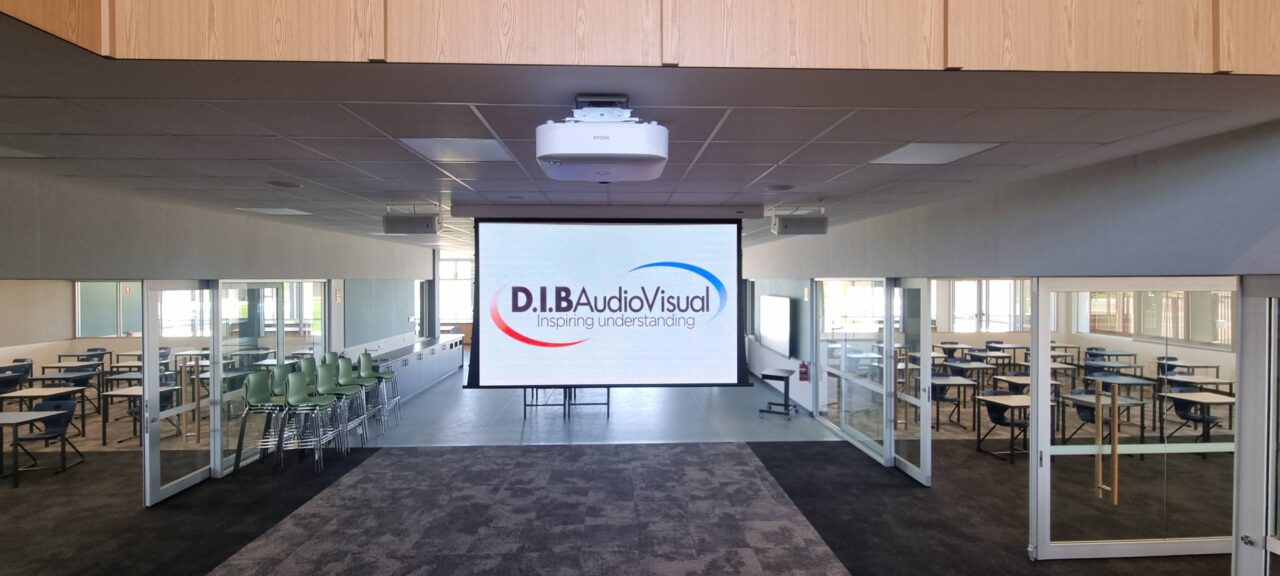
At Hoppers Crossing Secondary College, the gymnasium needed to support assemblies, graduations, performances and whole-school events.
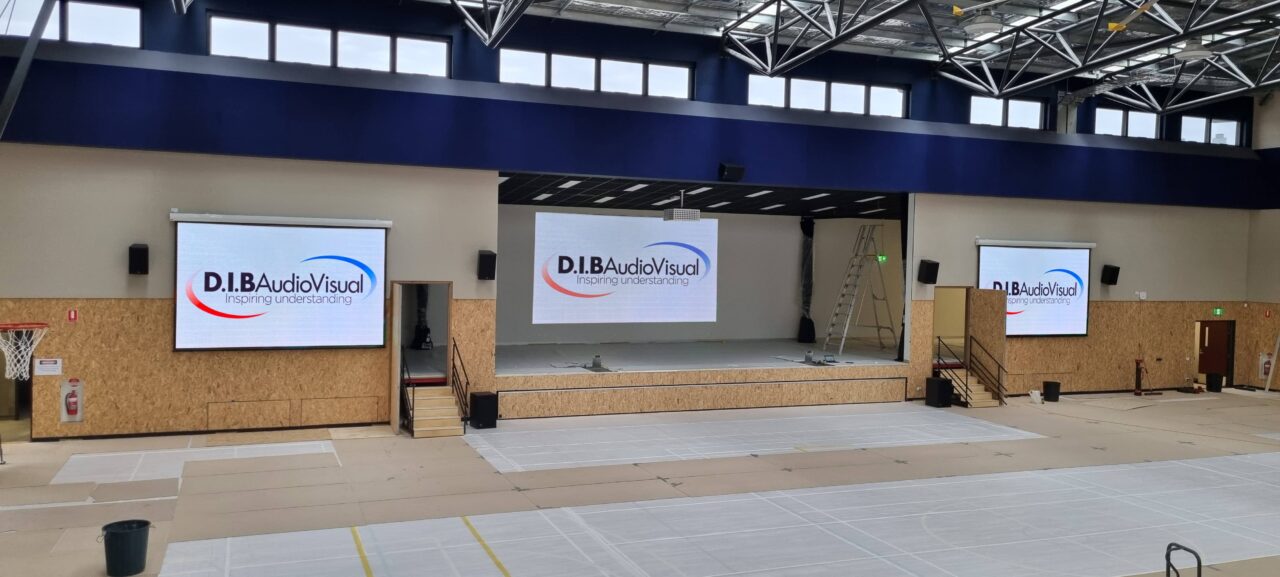
The upgraded system combines projection, large motorised screens, audio, PTZ cameras and recording and streaming capabilities.
Despite the system’s range of functions, D.I.B. designed a password-protected touchscreen interface with clear icons and labels, allowing staff to operate the system without managing each component individually.
Read the full Hoppers Crossing Secondary College case study →
The project is a good example of a key AV principle: a system can have considerable technical capability while remaining simple for day-to-day users.
3. Choose the Right Technology, Not Just the Newest Technology
AV technology in Australia changes quickly. New projectors, displays, microphones, cameras and control systems are continually introduced.
But newer does not always mean better.
One type of equipment may work well in one room and be a poor fit in another. The right choice depends on the room, its users and what the organisation needs the system to do.
For example, LED displays can suit rooms that need high brightness, clear visibility and large images. Projectors can still be a practical choice where very large images, flexibility or a particular room layout make them the better fit.
The key question is not simply what the latest technology is.
It is what technology makes sense for the space.
Marian College
Marian College’s gymnasium is used for assemblies, performances, presentations, rehearsals and sport.
For its AV upgrade, D.I.B. replaced the existing projection system with two impact-resistant Aurora LED wall displays, supported by Fohhn Audio speakers and a custom Extron control interface.
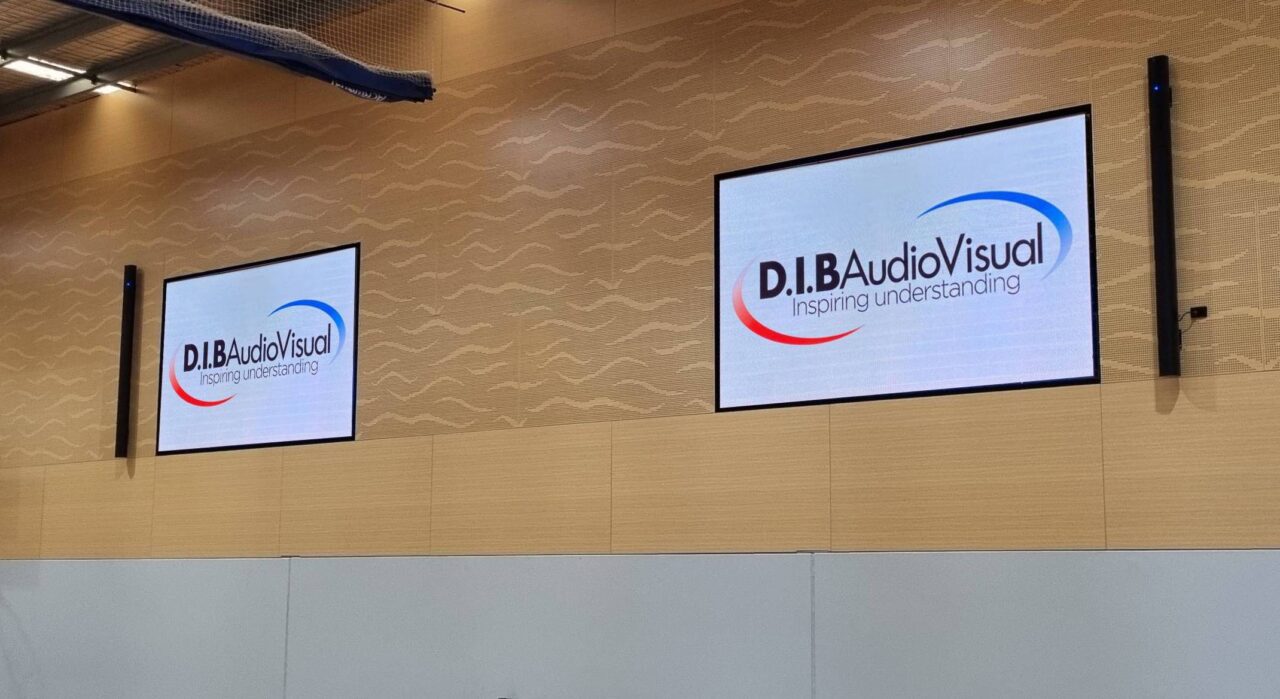
The project was planned around the requirements of a busy, multi-use gymnasium, with visibility, durability, audio coverage and ease of operation all considered.
D.I.B.’s involvement in the redevelopment also allowed cabling and LED wall support infrastructure to be incorporated during construction.
Read the full Marian College case study →
The project demonstrates why AV decisions are often best made by looking at the space and its intended use rather than simply choosing the newest available technology.
4. Professional Installation Matters
Even the right equipment can fall short if it is poorly installed or configured.
Projectors need to be positioned with care. Displays and LED walls need suitable mounting and structural support. Cabling needs to be planned and labelled, while audio systems need to be configured for the acoustics of the room.
Installation can also require coordination with builders, electricians, architects and other trades, especially during school upgrades and new builds.
Early involvement can make a difference. At MacKillop Catholic Regional College, for example, AV requirements could be considered during the building planning process rather than being treated as an addition after construction.
D.I.B. also uses its own delivery staff rather than relying solely on subcontractors, with detailed check sheets and technical records forming part of the installation process.
A professional installation should leave the organisation with an AV system that is properly integrated into the space and ready for everyday use.
5. AV Support Doesn’t Stop After Installation
An AV project should not end when the system is switched on for the first time.
Technology will eventually need servicing, fault finding, adjustment or replacement. Rooms change. Staff change. Organisations may also want to expand their systems over time.
D.I.B. has a dedicated service team providing post-installation support and maintenance. For installations completed by D.I.B, the company also offers an onsite three-year warranty for installation works, subject to conditions.
For organisations that depend on AV every day, ongoing support can be an important part of the overall investment.
The right AV partner should be able to help not only when a system is first installed, but throughout its working life.
6. Experience Across Schools and Workplaces
AV needs go far beyond classrooms and meeting rooms.
Schools may need systems for gyms, libraries, halls, performing arts spaces and outdoor areas. Businesses may need AV across boardrooms, meeting rooms, training areas, offices and larger presentation spaces.
D.I.B. has experience working across these environments and shaping systems around each space’s needs.
Qanstruct
At Qanstruct’s Kew headquarters, D.I.B. delivered AV systems across the company’s auditorium and office spaces.
The auditorium incorporates a large curved LED video wall, Microsoft Teams video conferencing, cameras, ceiling microphones, loudspeakers and hearing augmentation. Smaller office spaces use displays, meeting room systems and room booking systems.
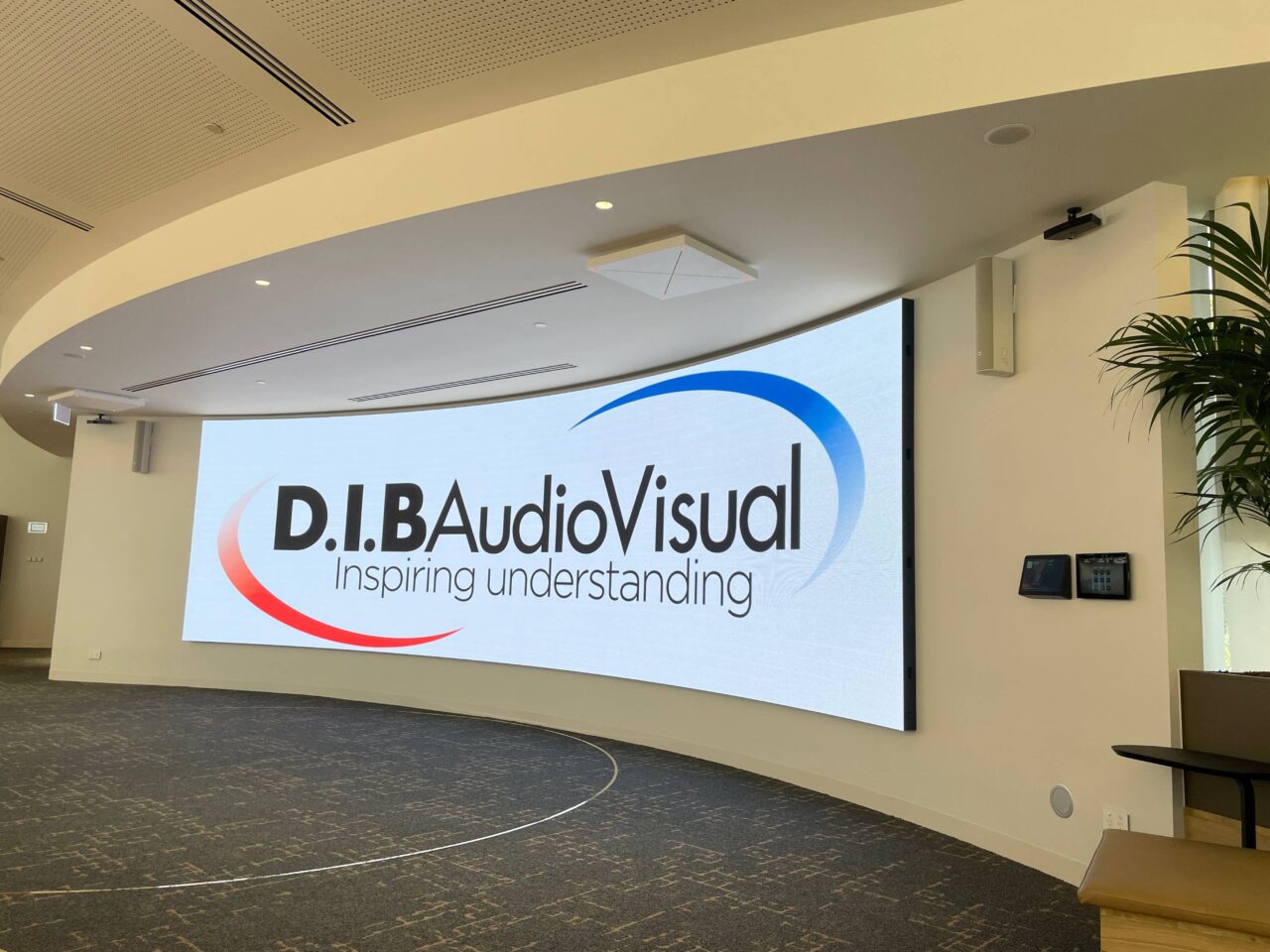
The systems were designed around simple operation, with USB-C connectivity allowing users to connect their devices without working through complex menus.
Read the full Qanstruct case study →
The project demonstrates how AV can be designed across different workplace environments while keeping everyday operation straightforward.
7. Long-Term AV Partnerships
Choosing an AV provider is not only about the current project.
AV needs change over time. A classroom display upgrade may later become part of a wider campus refresh. A gym may eventually need additional cameras or streaming capabilities. A meeting room may need to change as conferencing requirements shift.
Working with an AV partner that understands an organisation’s existing setup can make future upgrades easier to plan.
D.I.B.’s relationships with schools such as MacKillop Catholic Regional College and Marian College demonstrate this longer-term approach. Rather than treating each installation as an isolated project, an ongoing relationship allows an AV provider to build an understanding of a site’s technology, needs and future plans.
Why Choose D.I.B. Audio Visual?
For schools, businesses and other organisations looking for audio visual services in Victoria, Australia, choosing an AV partner is about more than finding equipment.
D.I.B. supports the full AV project lifecycle:
- Consultation and design – Understanding the space, users and objectives before recommending technology.
- Equipment supply – Selecting appropriate audio visual equipment from established AV manufacturers.
- Professional installation – Installing systems with consideration for structure, ease of use and the wider environment.
- Control and integration – Making complex systems easier for day-to-day users to operate.
- Service and maintenance – Providing ongoing technical support after installation.
- Future upgrades – Helping organisations adapt their AV systems as needs change.
D.I.B.’s design, supply, installation and service teams work together to deliver professional AV services for spaces from classrooms and libraries to gyms, halls, boardrooms and corporate offices.
The goal stays the same: build an AV system that suits the space, works well for its users and provides reliable performance.
More Than AV Equipment
There is no shortage of audio visual equipment today.
The challenge is knowing what you actually need.
A larger display is not always better. The newest projector is not always the right projector. More features do not always lead to a better user experience.
Good AV design starts with what the room needs to achieve.
That is why D.I.B. focuses on simple operation, clear objectives, performance and reliability when developing audio visual solutions. New technology is considered based on whether it provides a meaningful benefit for the application, rather than simply adding more features.
With more than 27 years of experience across education and business environments, D.I.B. Audio Visual can help organisations assess their needs, develop an appropriate solution and support that system after installation.
Planning an AV upgrade, refurbishment or new build? Contact D.I.B. Audio Visual on 03 9457 4800 or email info@dibaustralia.com.au to discuss your requirements.